

See Autonomous IT in Action: Real Product Walkthroughs

Experience Chalkrypton’s Autonomous IT platform through real interface demos. Watch how incidents are detected, analyzed, and resolved automatically—no generic AI visuals, just the actual product in use. See how our system reasons, acts, and keeps your business running smoothly, so you know exactly what to expect.
A high-resolution screenshot of the Autonomous IT dashboard showing live system status, recent incident alerts, and actionable insights, with a modern SaaS interface in Chalkrypton's branding colors.
Autonomous IT Interface: Live System Overview
Get a transparent look at the main dashboard, where you can monitor IT health, view real-time alerts, and access actionable insights—all in one intuitive interface designed for clarity and control.
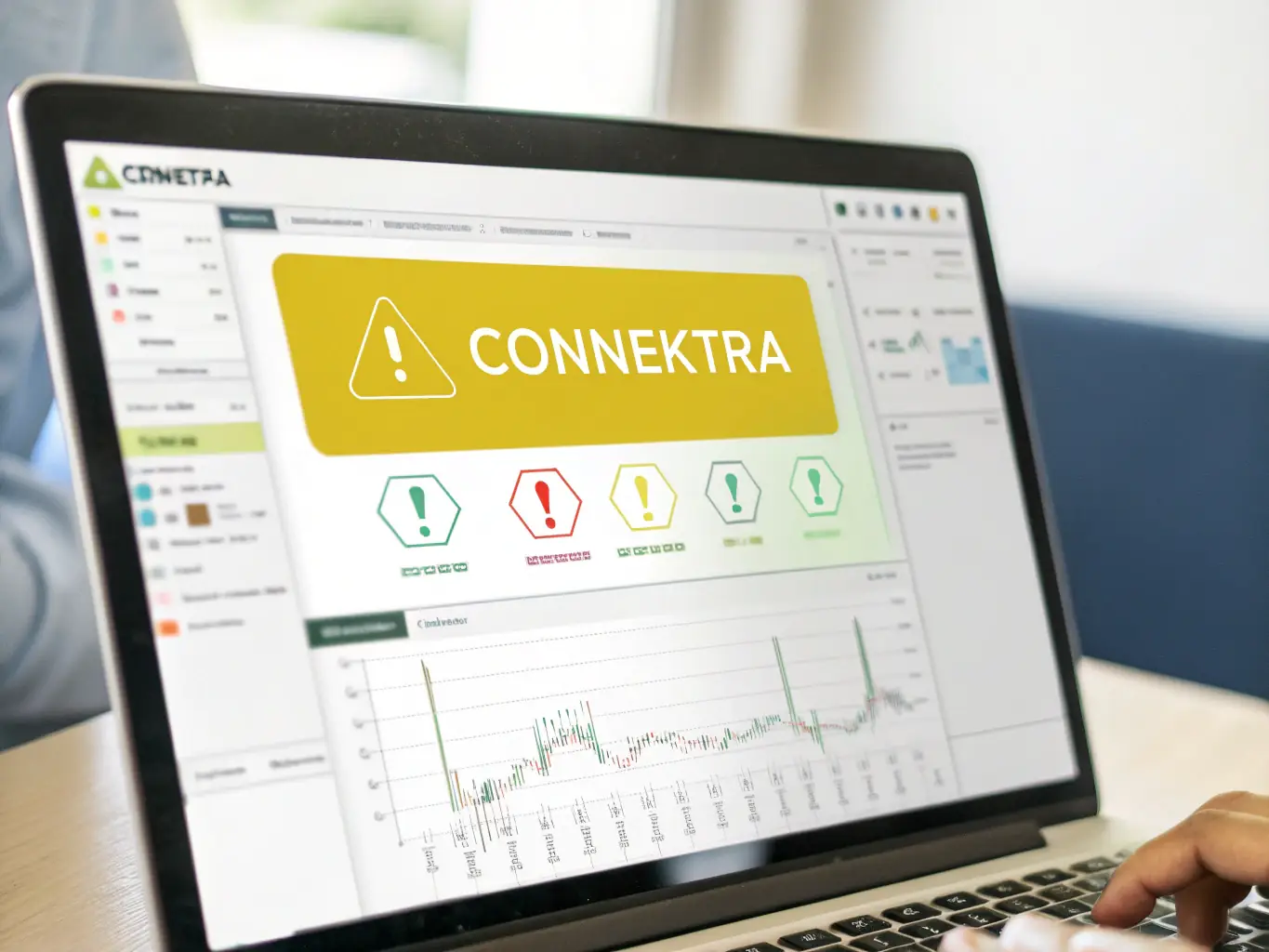
A detailed screen capture of an incident detection workflow, highlighting an alert notification, root cause analysis, and AI-generated recommendations, all within the Autonomous IT platform.
Incident Detection and AI Reasoning Example
See how Autonomous IT identifies issues instantly, analyzes root causes, and presents clear, AI-driven recommendations—empowering your team to act with confidence or let the system resolve incidents autonomously.
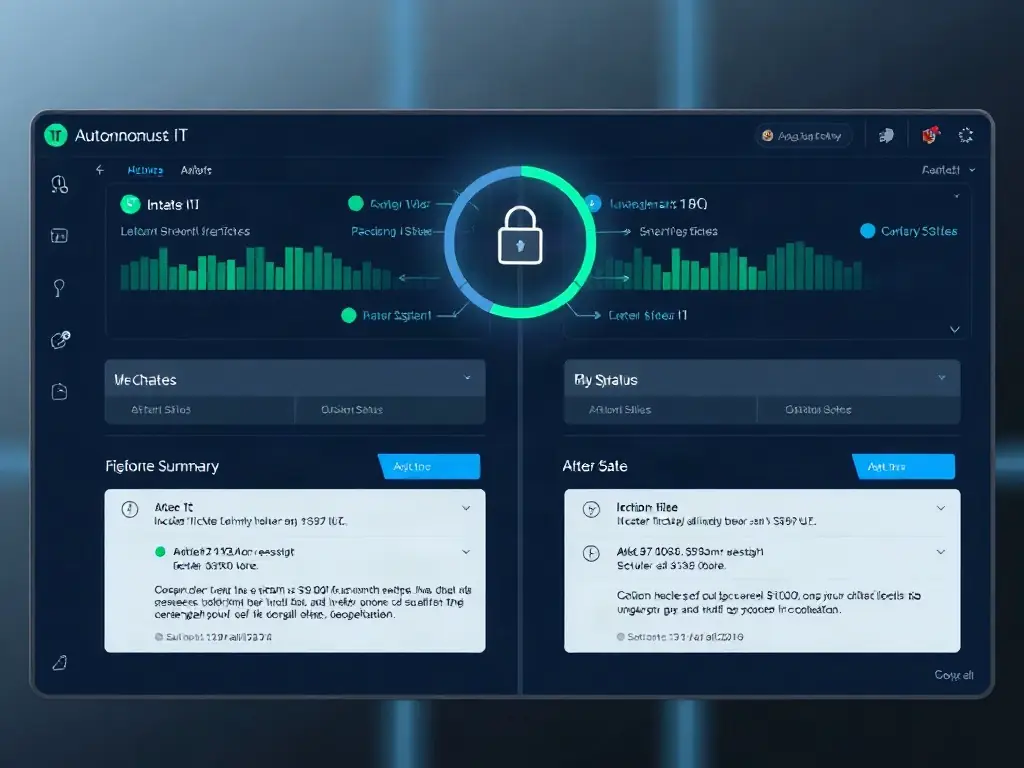
A product screenshot showing the automated resolution process: an incident ticket being resolved by the AI, with before-and-after system status and a summary of actions taken, all within the Chalkrypton interface.
Automated Resolution: End-to-End Example
Watch as Autonomous IT resolves incidents automatically, documents every step, and restores normal operations—no manual intervention required. This is true IT autonomy, delivered transparently and reliably.

Resources

Practical guidance for smarter, safer IT.

Plain-English resources for UK businesses introducing autonomous operations, AI agents and dependable infrastructure—without adding unnecessary complexity.

Built for 20–100 users UK business focused Practical, not theoretical

Choose your starting point

Start with the outcome your business needs.

You do not need to understand every technology first. Choose the operational problem that matters now and explore the most relevant path.

01

Keep everyday IT moving

Learn how monitoring, controlled runbooks and human approvals can reduce operational friction.

  • Incident detection and triage
  • Repeatable, controlled responses
  • Clear action and outcome history
Explore Autonomous IT →
02

Put AI agents to practical work

Identify repeatable workflows where an agent can assist your team without removing appropriate oversight.

  • Workflow and use-case design
  • Business system integrations
  • Testing, guardrails and handover
Explore Agentic Services →
03

Build a reliable foundation

Plan the identity, cloud, network and resilience improvements that support secure growth.

  • Infrastructure assessment
  • Modernisation and migration
  • Resilience and support planning
Explore Infrastructure →

Decision guides

Three quick checks before you invest.

Use these short guides to frame the right internal conversation before selecting a product, project or supplier.

1

Is your IT ready for controlled automation?

Look for repetitive incidents, documented fixes and clear approval owners.

Open the readiness check ↓
  • Which incidents recur every month?
  • Are the safest responses already documented?
  • Who must approve disruptive or sensitive actions?
  • Can you verify that service returned to normal?
2

Where can an AI agent remove repetitive work?

Start where inputs, decisions and expected outputs can be described clearly.

Open the use-case check ↓
  • Which task consumes time every week?
  • What systems and information are required?
  • Which decisions require a person?
  • How will quality and exceptions be measured?
3

Can your infrastructure support the next stage?

Review whether identity, devices, connectivity and recovery match the way the business now works.

Open the foundation check ↓
  • Are access rights reviewed and removed promptly?
  • Are critical services monitored and recoverable?
  • Can staff work securely across locations?
  • Is there a prioritised improvement roadmap?

UK security essentials

Security should shape the design—not appear at the end.

For a growing UK business, the right controls should be proportionate, understandable and built into everyday operations.

Access and approvals

Use least-privilege access, named owners and human approval for sensitive or disruptive actions.

Data protection

Understand what information is processed, where it is stored, how long it is retained and who can access it.

Resilience and evidence

Monitor important services, plan recovery and retain enough action history to review incidents and improve controls.

Our approach is informed by UK GDPR principles, NCSC guidance and Cyber Essentials readiness. Final requirements and responsibilities are agreed for each engagement; this page is practical guidance, not legal or certification advice.

A better first conversation

Bring three answers to your first discussion.

Clear outcomes create a clearer scope, faster decisions and fewer surprises during delivery.

QUESTION 01

What needs to improve?

Name the operational outcome: less downtime, faster support, reduced manual work or a stronger technology foundation.

QUESTION 02

What is involved?

List the users, locations, systems, data and existing suppliers that shape the problem.

QUESTION 03

What must stay controlled?

Identify sensitive data, approval boundaries, business-critical services and unacceptable risks.

CHALKRYPTON · AUTONOMOUS ITMONITORING ACTIVE
INCIDENT DETECTED
Critical service is not responding
DetectApproveResolve

See the approach in context

Controlled automation, designed for real operations.

Explore how Chalkrypton combines monitoring, policy checks, approval points and verified outcomes to keep everyday IT moving.

View Autonomous IT →

Not sure where to start?

Tell us what is slowing your team down. We will help you separate the immediate priority from the longer-term technology roadmap.